Lulu Garment Introduces advantages and disadvantages of five common printing processes.
When customizing group uniforms and work clothes, you will face the choice of a variety of printing processes. Each printing process has its applicable scenarios, as well as different advantages and disadvantages. Different printing processes should be used according to the fabric of the clothing, the complexity of the pattern, and the number of colors of the pattern. This article will introduce several common printing processes for your reference.
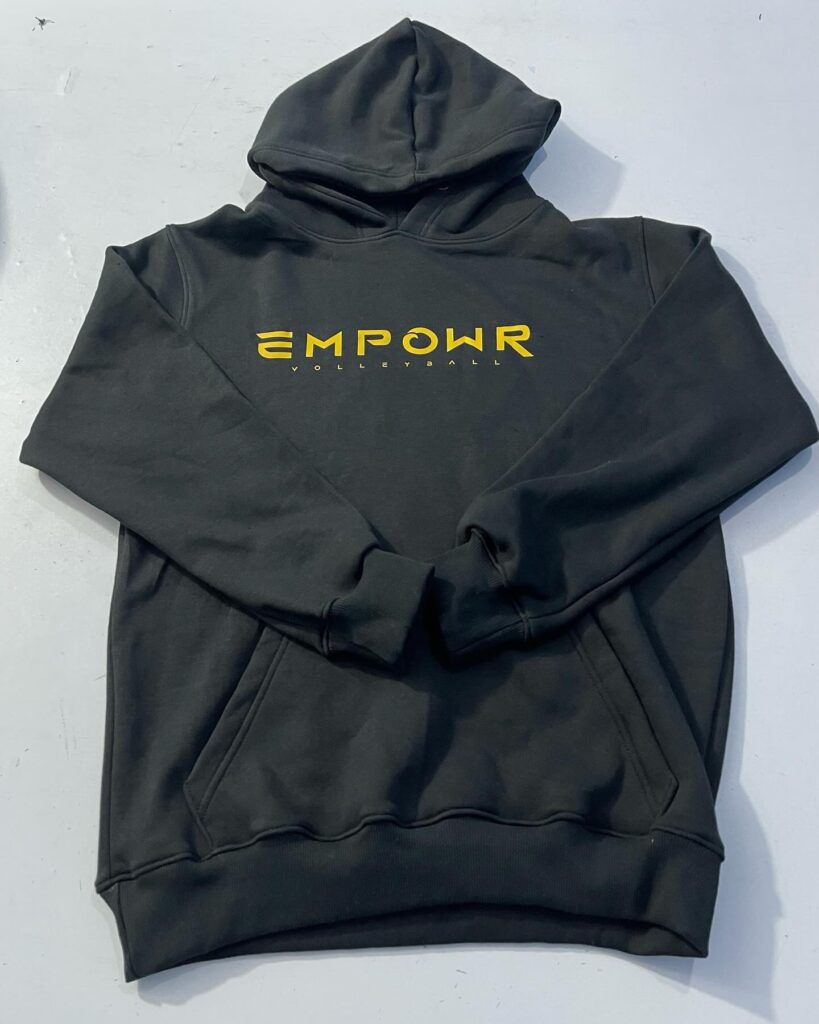
1. Screen Printing
Screen printing is a process that uses a silk screen printing plate. It utilizes the principle that the mesh holes in the image area of the screen printing plate allow ink to pass through, while the mesh holes in the non-image area do not.
Screen printing can be applied to a variety of surfaces. It features large print areas, vibrant colors, and distinct layers. The prints lack noticeable adhesive and are also water-, light-, and wash-resistant.
Drawbacks include the inability to print complex patterns such as gradients, splash-ink patterns, and tie-dye patterns. It is generally suitable for large-scale designs with no more than six colors. The process also takes a long time, requiring printing, drying, and generally taking 3-5 days to complete.
2. Dye-Sublimation
Dye-sublimation is a transfer printing technology that uses high temperatures to transfer the color of a design onto clothing. The pattern penetrates the garment, leaving no adhesive feeling and providing a pleasant feel. Any pattern can be printed using this process, and it is highly washable and will not fade.
The disadvantage is that it is limited to fabrics. Pure cotton and dark-colored clothing cannot be processed with this process. It can only be used on white, quick-drying, modal, and imitation cotton fabrics. The process is quick, with shipments within 1-2 days.
3. Heat Transfer Printing
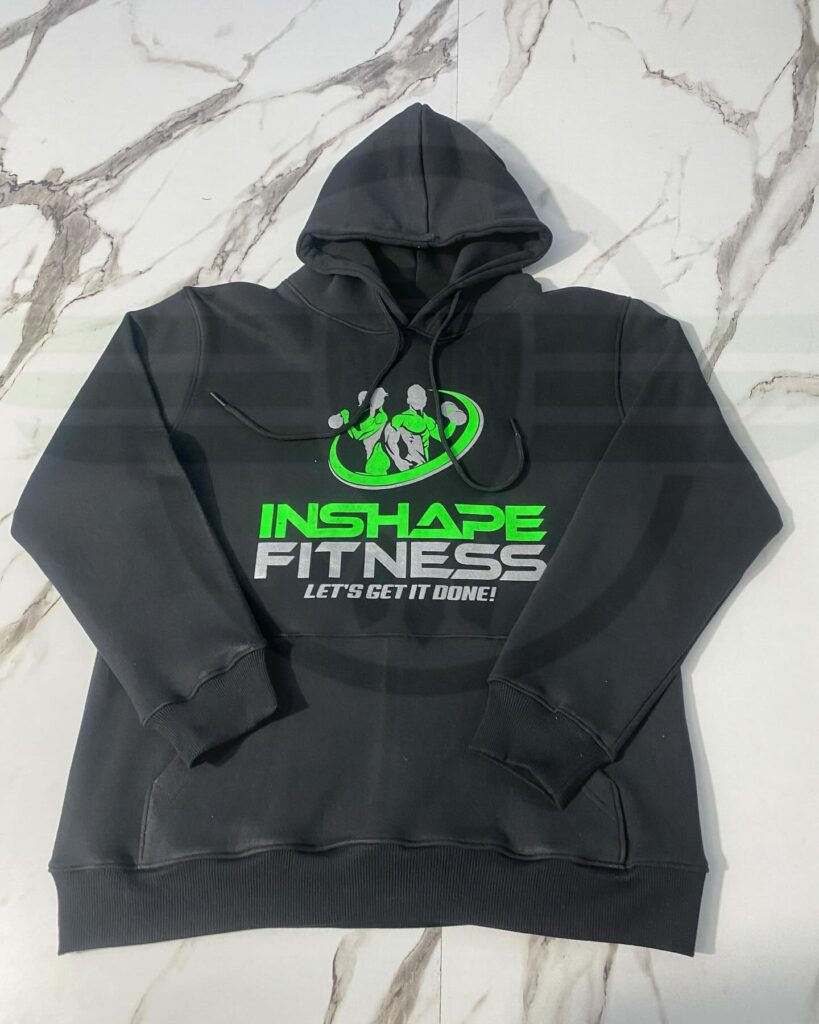
Heat transfer printing is a printing process performed using a heat transfer machine. The design is first printed onto a release-coated PET film. After drying, the patterned film is ironed onto the surface of clothing or other fabrics using high temperature and high pressure, leaving the design. The waste film is then removed, completing the heat transfer process. This process is called “heat transfer printing,” also known as “heat transfer printing.”
This process can be used on virtually any garment or pattern. It can print high-resolution portraits, 3D game animations, and other designs with rich, rich, and detailed tones. The finished product is very close to the original design, with minimal color variation and vibrant hues.
4. Embroidery
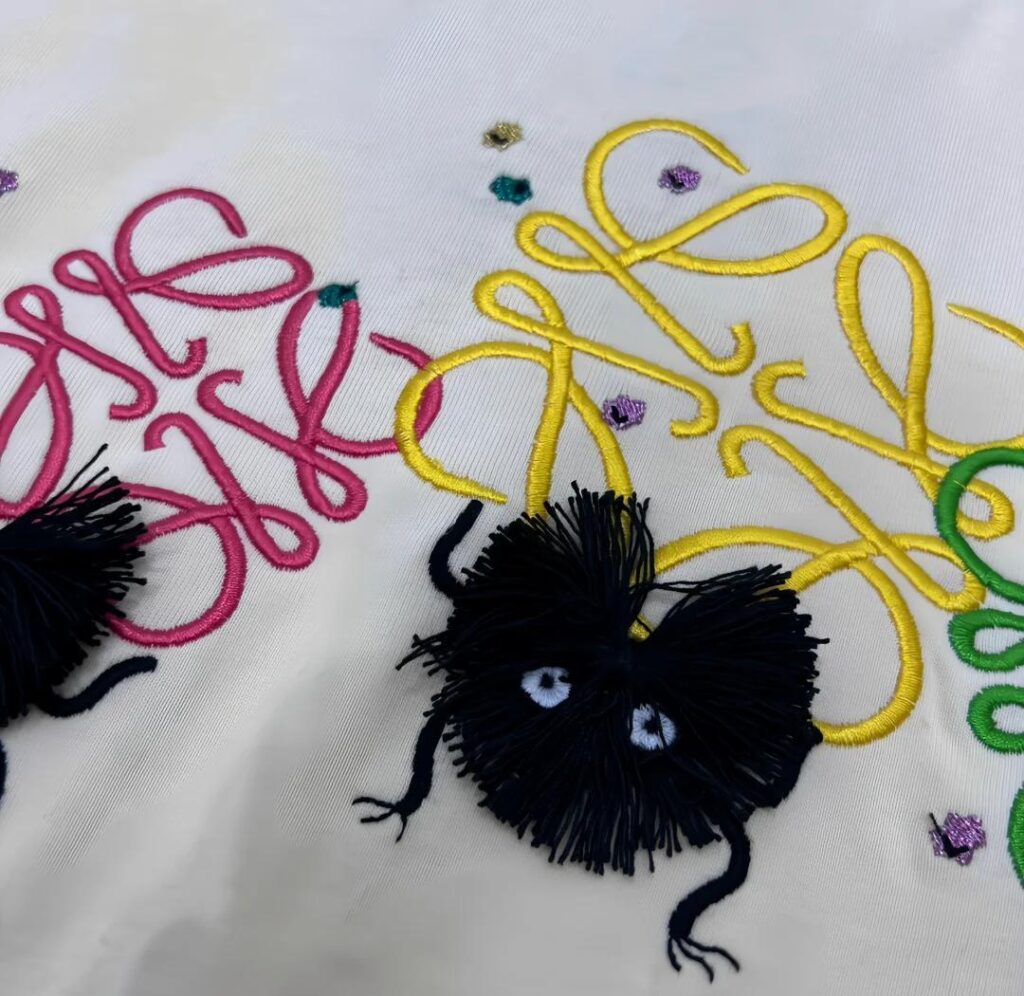
Embroidery is a craft that is embroidered using an embroidery machine. It can be applied to the surface of most types of clothing. However, it is not recommended to do embroidery on very thin clothes as it may cause the clothes to deform.
The embroidery is very sturdy, with distinct patterns and a strong sense of three-dimensionality. However, it has high costs, limited applications, a long construction period, usually taking 4-5 days to complete. Patterns with complex colors such as gradients, splatter painting, and tie-dye cannot be done using this technique.
5. Direct-to-Garment
Digital direct printing is a printing process that uses a digital printer to directly print the patterns you need on various materials. You set the pattern to be printed through the computer, and the machine completes the printing process.
Digital direct printing uses inkjet printing technology. The pigments are incorporated into the fabric during the formation process, breaking the limitations of color blending and sudden color changes in traditional screen printing. Any picture can be directly produced and printed.
The ink particles of digital printing are extremely fine, reaching the nanometer level. Therefore, they can easily penetrate into the fiber gaps of the fabric, achieving both durability and not affecting the softness and comfort of the fabric itself. It can be printed on various materials and has the best feel when used on T-shirts.
Digital printing features fast printing speed, excellent printing quality, and good water resistance. It also has advantages such as high flexibility and strong variability, making it suitable for small-batch and personalized work uniform orders. However, the cost is relatively high. The pattern detail is not as fine as heat transfer printing. For non-white clothes, a layer of white base material needs to be sprayed first for digital direct printing, which will slightly affect the feel. The construction period is 2-4 days.
The above are the five common printing techniques. When customizing group uniforms, everyone must communicate carefully with the merchants and clearly express their requirements. Welcome to inquire. www.lulugarmen.com